
Make-up packaging is perhaps the most personal territory in cosmetic packaging. How a lipstick tube's weight feels in your hand, how precisely a lip gloss wand distributes formula, how a mascara brush's bristles touch the lashes — all of these define the user's first physical contact with a brand.
In this article we cover the core categories you'll encounter when choosing make-up packaging — lipstick tubes, lip gloss tubes, and brush/applicator packaging — and what to look for in each.
1. Lipstick Tubes: Mechanism and Body Design
The most critical decision in lipstick tubes is the quality of the twist-up mechanism. A low-quality mechanism loosens or jams after a handful of uses, directly harming the user experience. Square bodies, holographic finishes, and marbled patterns have recently stood out particularly with brands targeting a younger audience.
Body material is also an important positioning tool: metal-detailed plastic bodies suit the mid-to-upper segment, while fully metal bodies have become the signature of the luxury tier.
Let's choose the right tube mechanism together, based on your lipstick formula and brand positioning.
2. Lip Gloss Tubes: Applicator Quality Is Everything
For lip gloss, the most critical packaging component isn't the bottle, it's the applicator. The doe-foot applicator has been an industry standard for years because it delivers precise application and adapts easily to lip contour. The wand's bristle density and tip flexibility directly affect how evenly the formula spreads.
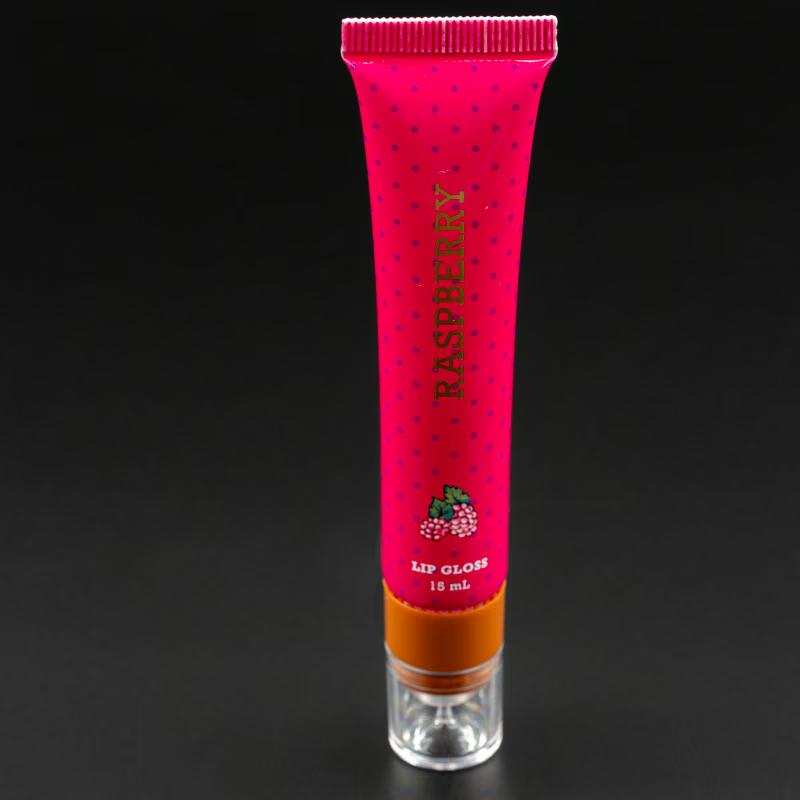
15ml is the most common volume in the lip gloss category — a balanced point that neither empties too quickly nor gives the impression the product will "never run out." A squeezable tube body means the formula can be used down to the last drop.
3. Brush and Applicator Packaging: Mascara, Brow Gel, Serum
Brush-applicator tubes aren't limited to mascara alone — brow lamination gels, eye-area serums, and even some hair care products use this format. The key variable here is bristle density and stiffness: densely bristled wands create a volumising effect, while sparser bristles offer a more natural, controlled application.
Silicone brushes have recently risen as a strong alternative to traditional nylon-bristle brushes, since they're easier to clean, don't harbour bacteria, and distribute product more evenly.
4. Colour and Finish: Brand Identity in Make-up Packaging
Make-up is the most "visual" branch of cosmetic packaging — the product is usually seen directly on shelf or on social media before the purchase decision is made. That's why custom colour matching (Pantone), holographic/marbled finishes, and brand-specific logo printing are among the areas where investment in make-up packaging pays off the most.
Screen printing and hot foil stamping are the most commonly used techniques for delivering clear, durable brand visibility, especially on the small surfaces of lipstick and lip gloss tubes.
Browse Yurtenpack's make-up packaging range to see lipstick tubes, lip gloss tubes, and brush-applicator formats available for wholesale order with custom branding.