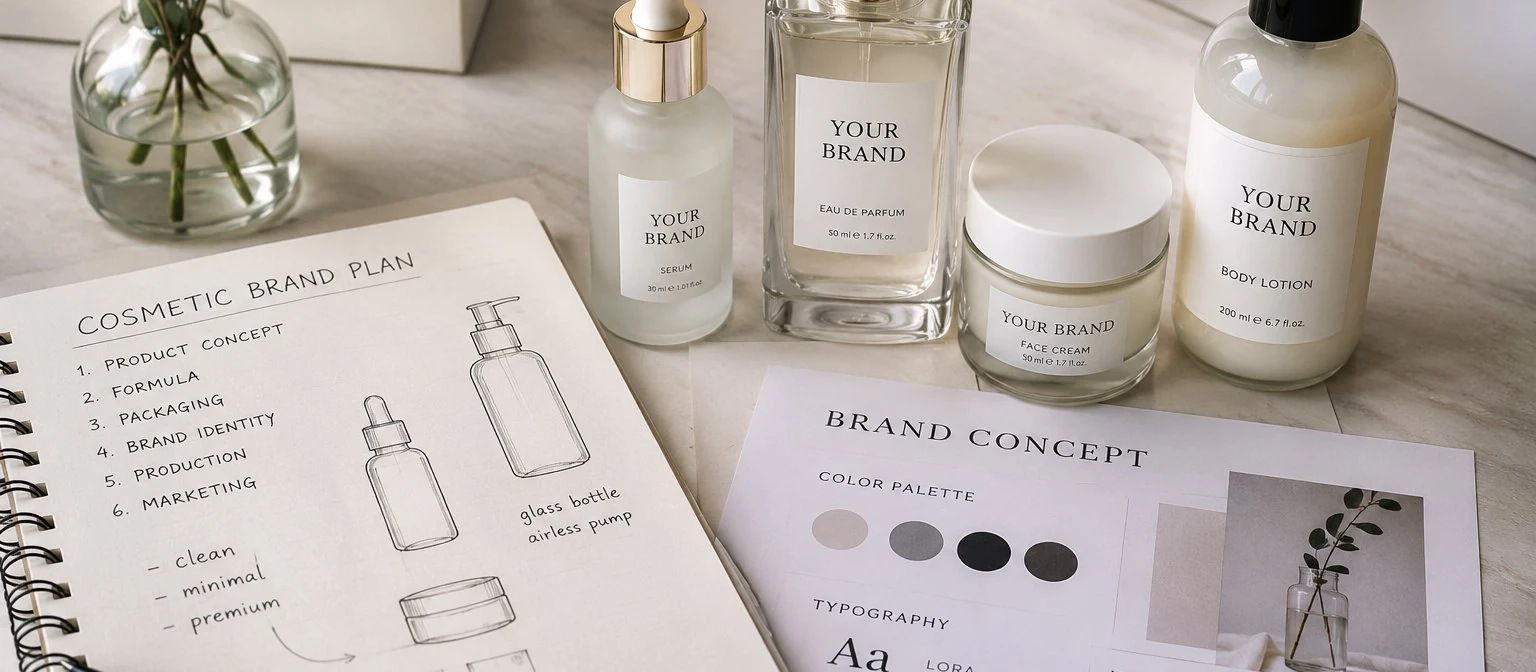
We hear it constantly. Someone writes in asking "I want to launch my own perfume, how much do fragrance bottles cost?" Or: "I want to start a cosmetic brand, I need wholesale bottles." Sometimes someone sees a product on Instagram and wonders whether they could build something similar. The answer is yes. But there are a few things worth understanding before you place your first order.
This guide is written for everyone who has asked those questions. Perfume, skincare serum, essential oil, face cream, the category does not matter. The process follows the same logic, and most people stumble at the same points. Let us walk through it from the beginning.
The "I just need a bottle" misconception
Almost every first inquiry starts with the bottle. That is an entirely understandable instinct, you have a product in mind, you need a container, the container is a bottle. Logical enough.
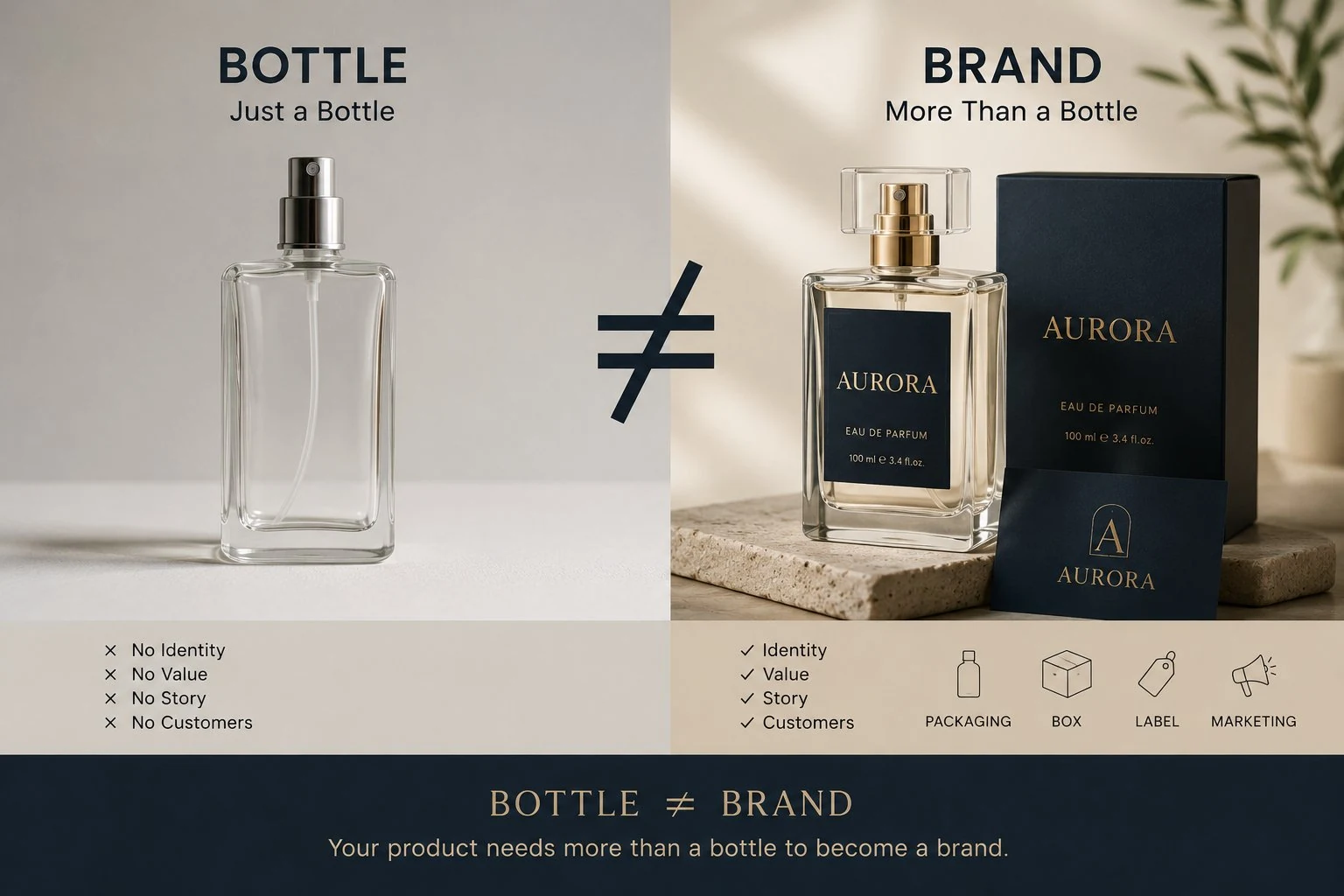
But cosmetic packaging is a much more layered decision than it first appears. Buying wholesale fragrance bottles or a perfume bottle in bulk is only the first step, and by itself it answers nothing. What goes inside? Who fills it? What does the surface say? How does it close? How does it reach the customer?
Committing to a bottle before those questions are answered creates expensive problems downstream. A wrong actuator choice causes leaks. A wrong volume choice breaks your pricing architecture. Wrong packaging aesthetics make your brand invisible at shelf. The correct starting point is the product, not the container.
Step 1: What exactly are you launching?
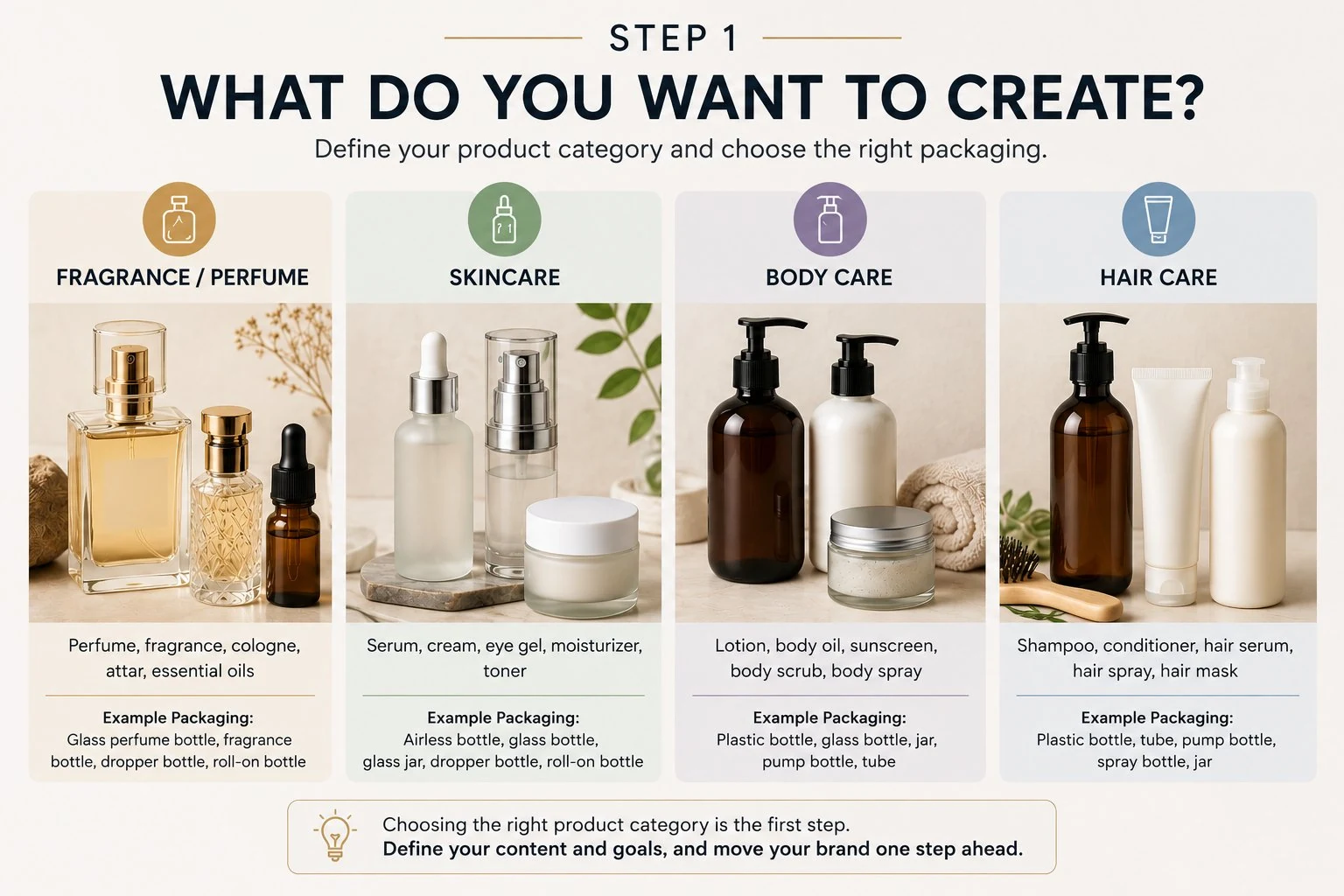
This sounds obvious but it genuinely needs to be resolved before anything else. Because "cosmetic product" maps to completely different packaging architectures.
Fragrance or essential oil?
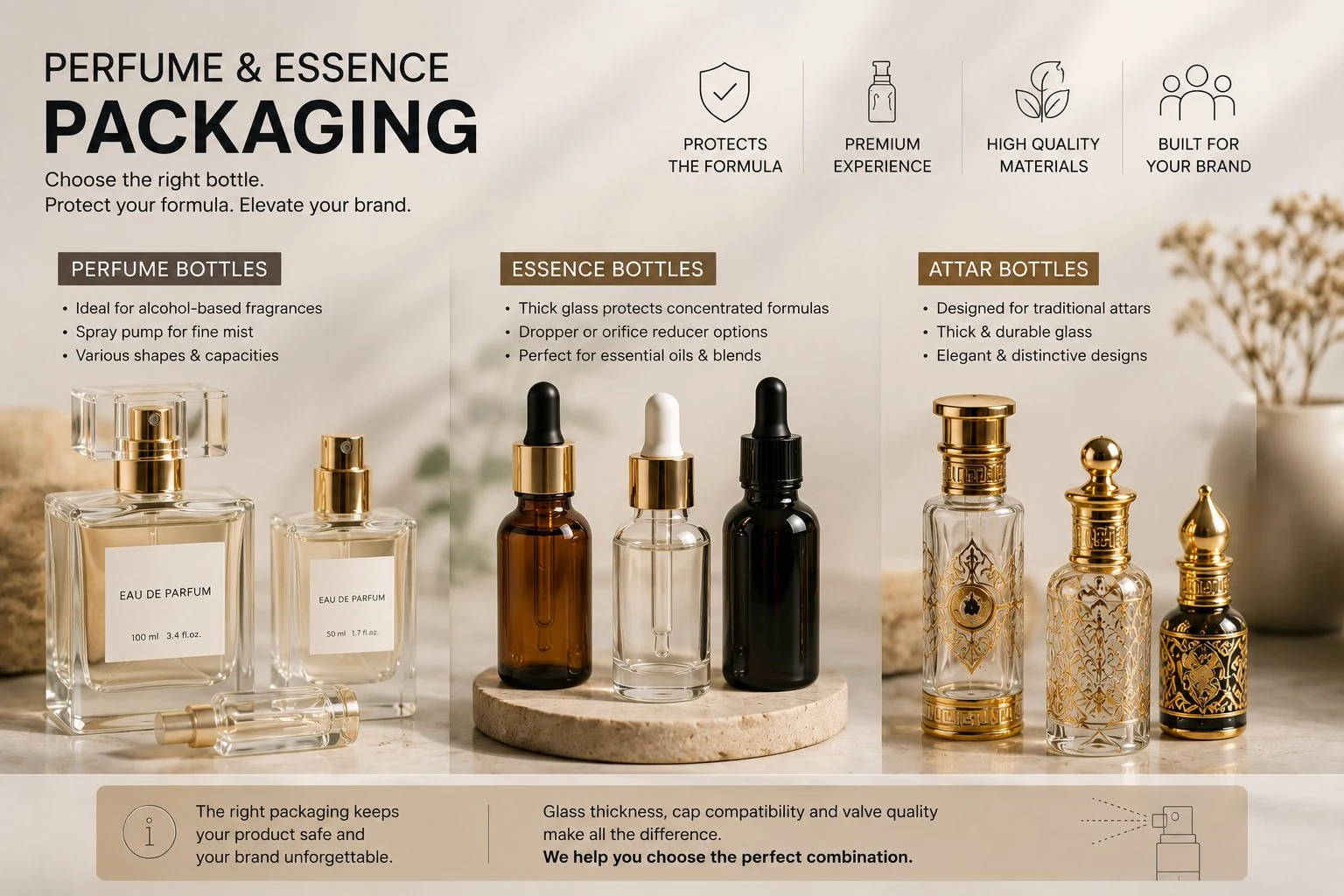
If your product is scent-based, perfume, essential oil blend, cologne, or attar, the formula drives the bottle choice. Alcohol-based fragrances work well in standard crimped perfume bottles with fine mist actuators. Concentrated oil-forward formulas and attars require heavy-wall glass, narrow neck tolerances, and dropper or roll-on closures. Dense concentrates can react with thin glass or poorly specified gaskets.
Skincare?
Serum, moisturiser, eye cream, balm, the formula chemistry determines the packaging call. For formulas containing vitamin C, retinol, or niasinamide, which degrade on air exposure, an airless bottle is close to mandatory. Airless dispensers exclude oxygen entirely using a piston mechanism rather than a dip tube. That distinction extends shelf stability considerably, meaning less reliance on preservative cocktails to compensate.
Body or haircare?
Lotion, body oil, shampoo, conditioner, plastic is the practical default for these formats. But brand positioning overrides practicality at the premium tier. A luxury body oil in a heavy glass bottle signals something a HDPE flip-top never can. Resolving your market positioning before the packaging decision saves you from choosing the wrong tier entirely.
Step 2: Who manufactures it?
Many founders skip or defer this question. It is actually the most consequential decision in the launch sequence. Two main paths exist.
Contract manufacturing (the most common route): you define the formula, or develop it with a specialist, and a licensed contract cosmetics manufacturer handles production. You focus on brand, packaging, and commercial strategy while the technical production runs independently.
In-house production: this requires licensing, capital equipment, and significant upfront investment. If you are testing a market hypothesis, contract manufacturing is almost always the correct entry point.
Yurtenpack does not manufacture formulas. But we understand what the process requires, so we can direct you toward the right contract partners. Our core work is sourcing and supplying the packaging that fits the product, from concept through delivery.
Step 3: Packaging decisions
Once production is resolved, packaging becomes the most creative and consequential decision. The right packaging protects the formula, represents the brand, and fits the budget. These three requirements sometimes pull in different directions; finding the right balance is where experience matters.
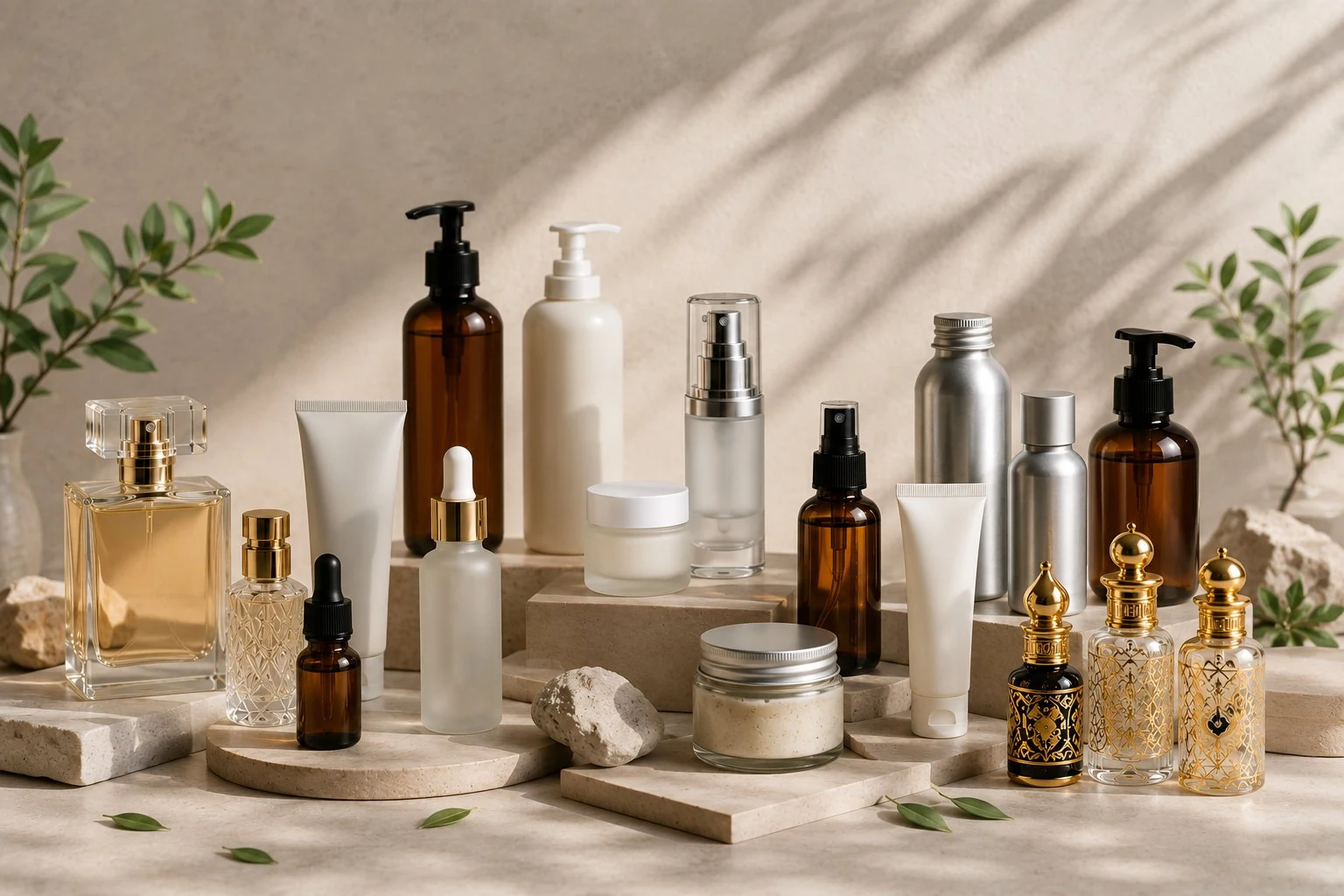
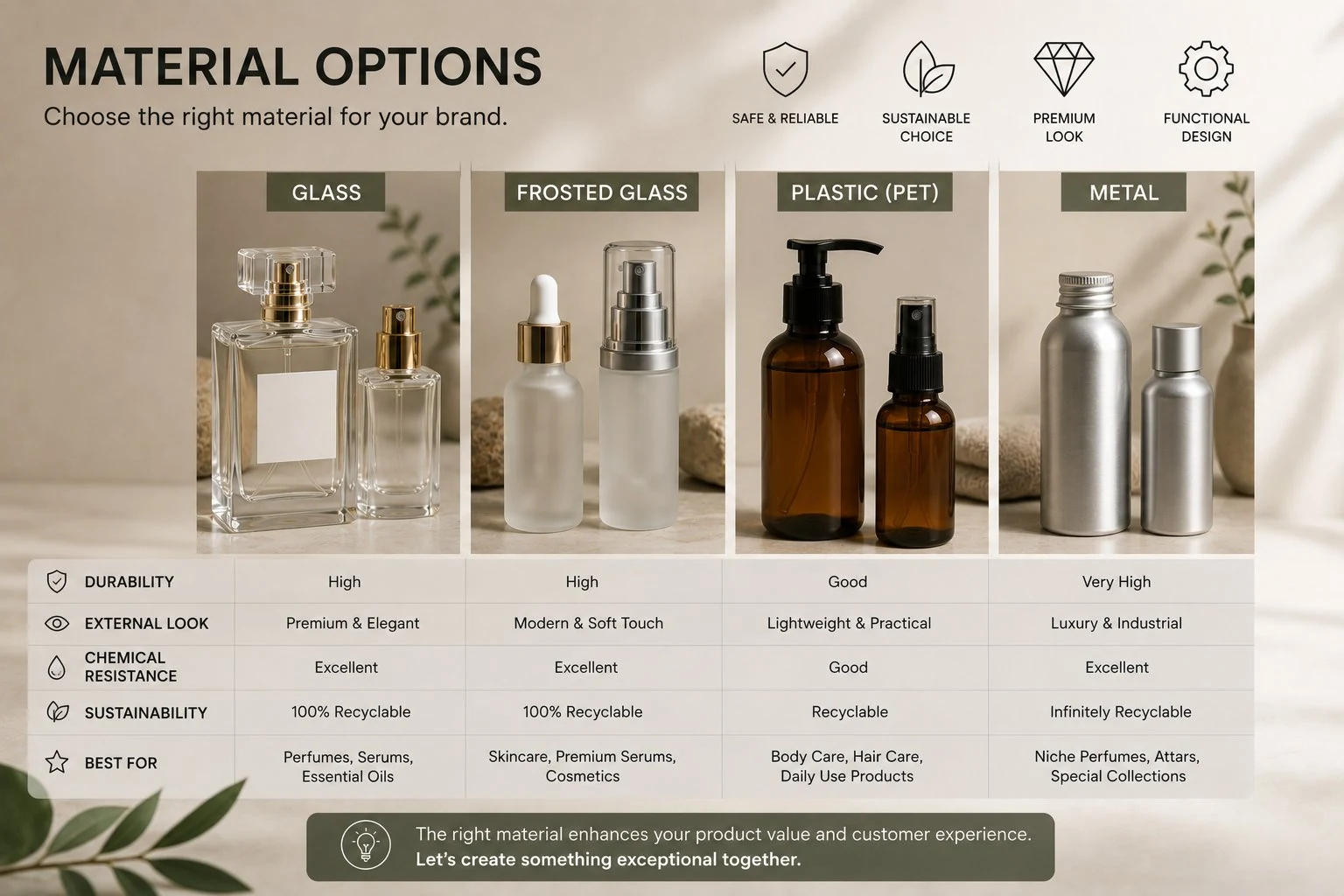
Glass, plastic, or airless?
Glass bottles and glass jars are the premium default for fragrance and skincare. The tactile weight creates quality perception; the material is chemically inert and infinitely recyclable. For a detailed look at why glass outperforms plastic over the long term, our sustainable packaging guide covers the full argument.
Airless bottles and airless jars are the correct choice for oxygen-sensitive formulas. The piston mechanism evacuates nearly all product while excluding air throughout the use life. Airless tubes, jars, and cylinders cover most skincare formats. For concentrated serums and active-led moisturisers, we recommend airless without reservation.
Plastic bottles and tubes are lightweight, shatter-resistant, and cost-efficient. For haircare, body wash, SPF, and sport formats they are entirely appropriate. The positioning decision, not the category alone, determines whether plastic is acceptable.
Volume architecture
Launching with a single size is rarely the optimal strategy. A 100 ml hero perfume bottle alongside a 30 ml travel format addresses different purchase occasions simultaneously. Discovery sets have become a significant revenue channel for independent brands, lowering the barrier to first purchase while building the customer relationship. For the full MOQ and size planning logic, our wholesale perfume bottle guide goes into detail.
Closures and actuators
The actuator is invisible until it fails. Overspray, gasket wicking, or inconsistent mist pattern all surface after QA sign-off, when your brand owns the fallout. Crimp collar, magnetic cap, or standard pump, each choice carries different implications for product integrity, user experience, and refillability. The actuator specification deserves the same attention as the glass body.
Step 4: Decoration and branding
You have chosen the bottle and resolved production. Now the work of making that bottle unmistakably yours begins. Two broad approaches exist.
Pressure labels: fast, flexible, low MOQ entry. But corners lift, solvent exposure causes delamination, and the result reads lower-tier even when the formula is excellent.
Glass painting and kiln silkscreen: pigment is applied and fired directly onto the glass surface. It cannot be peeled, scratched, or washed off. The result is the decoration technique that communicates brand seriousness at shelf, particularly in premium and luxury channels. For a complete breakdown of techniques and format-specific applications, see our glass painting and screen printing guide.
Decoration options are wide: matte black, dusty rose, clear-to-gradient transitions, metallic detailing. All of these can be previewed through 3D mockups before production commits. We manage the design process, from bottle selection through colour, printing, and logistics, Yurtenpack is a single point of contact.
Step 5: MOQ and cost realism
Do not skip this section. Many founders either overcommit on volume in the excitement of launch, or underorder and find unit economics unsustainable.
MOQ varies by packaging format and customisation scope. Catalog-stock bodies carry lower minimums; custom tooling and full decoration programs require a production volume to amortise setup. The practical guideline: if you are market-testing, launch on the simplest possible packaging. Once you have real sales data, commit to custom glass painting and silkscreen on the formats that are proven performers.
This sequence protects cash flow and allows real customer feedback to shape your packaging decisions rather than pre-launch assumptions.
China sourcing: reality versus assumption
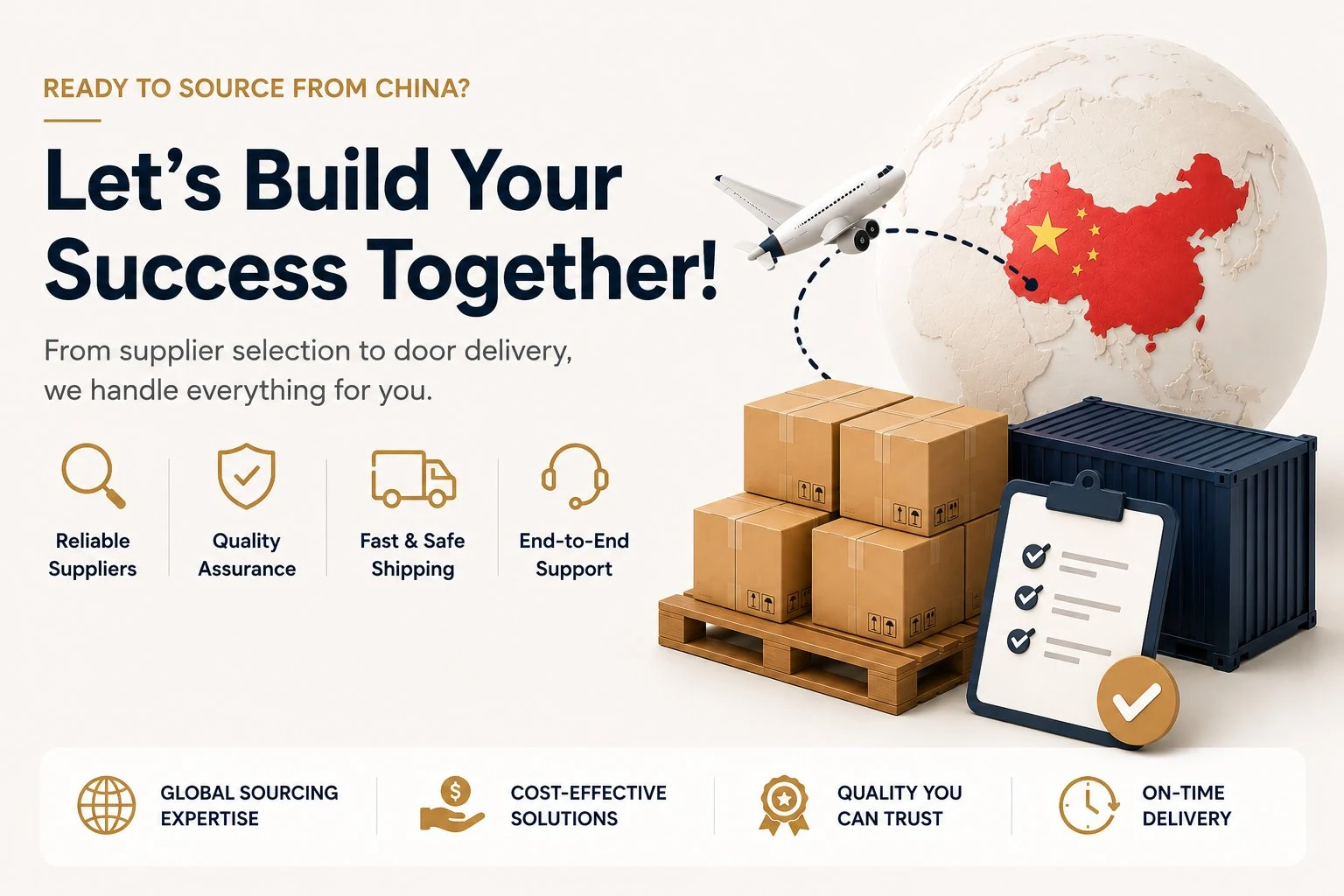
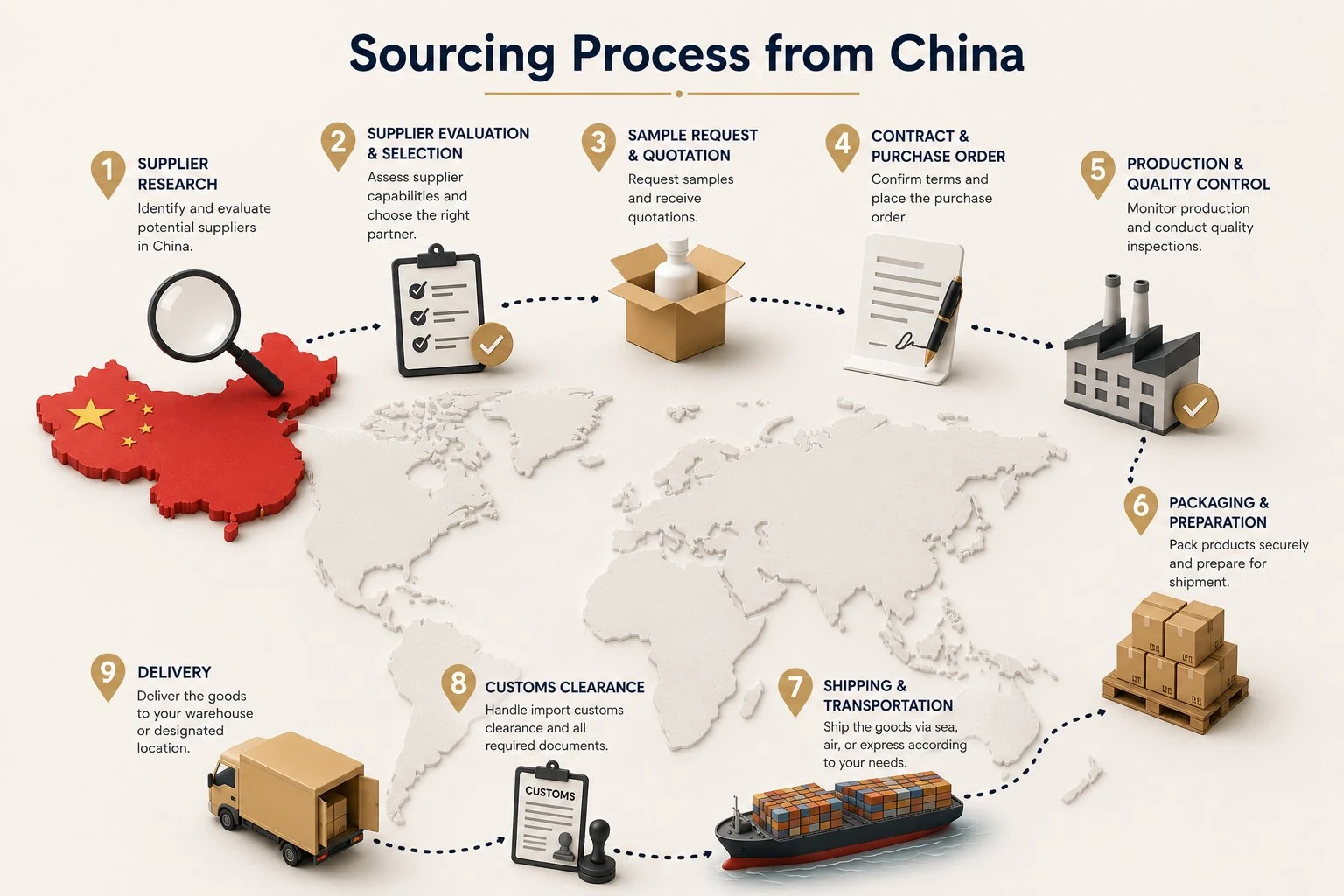
The majority of global cosmetic packaging production originates in China. This is not a trade secret. The bottles on prestige fragrance shelves worldwide come from the same geography. The difference is not where the glass is made, it is how the sourcing process is managed.
Reaching a Chinese supplier directly is straightforward. Managing sample approval, production monitoring, quality control, customs clearance, and logistics without that experience creates costly delays and surprises. We have run this process for fifteen years. Our manufacturer network in China and our Bursa-based team track every stage from artwork approval through delivery.
"The correct sequence: product first, formula second, packaging third, design fourth, production fifth. Most costly mistakes come from reversing steps two and three."
Yurtenpack